Behind the Scenes of BINI’s Coachella Debut with See You Later
How the Filipino girl group made history on a global stage—and the
creative team that brought their vision to life
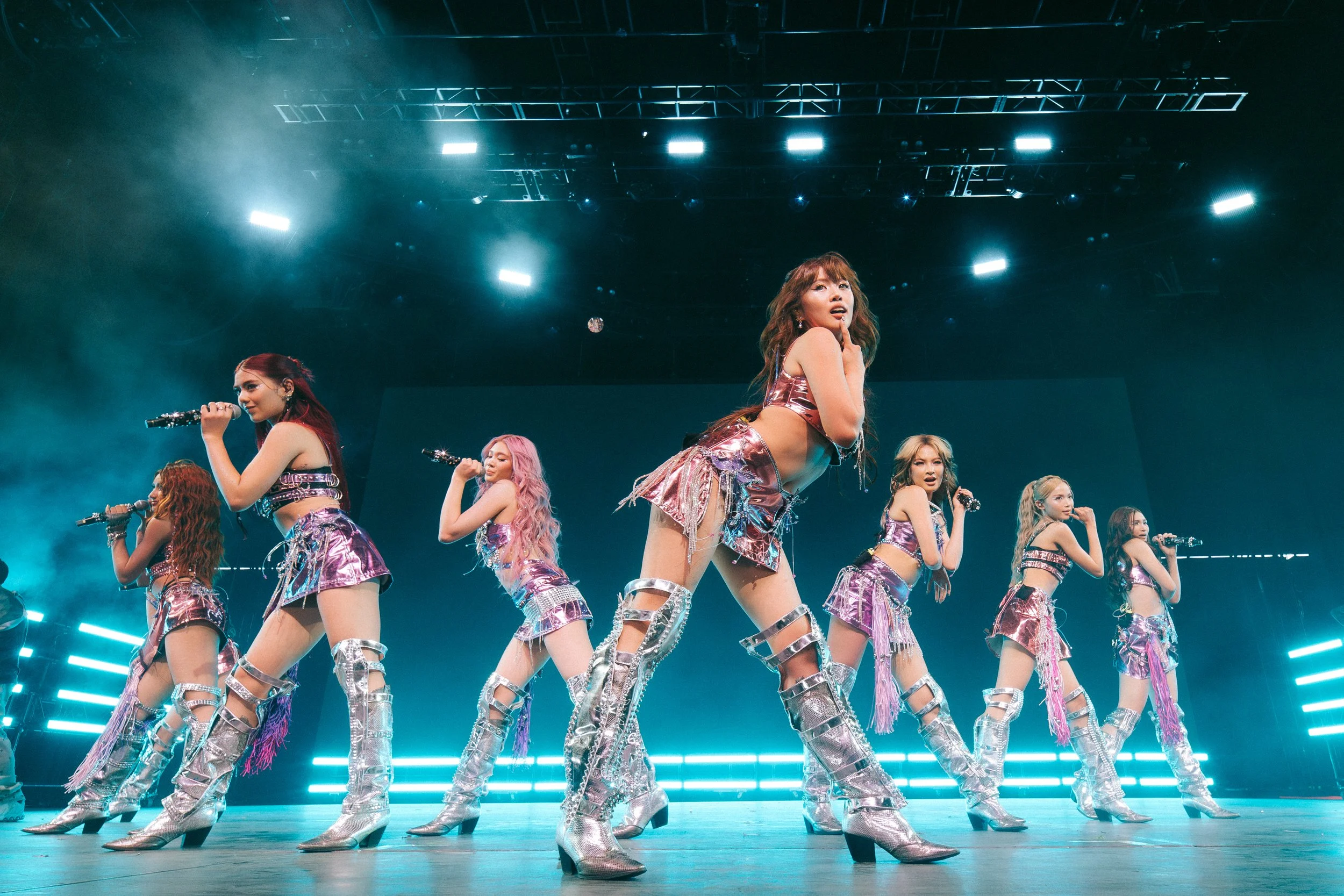
Photography Nat Lim, courtesy of See You Later.
Text Stephanie Gancayco
\When BINI stepped onto the stage at Coachella, it didn’t feel like a debut—it felt like a shift. For years, Filipino artists have built massive audiences at home and across the diaspora, but rarely with this level of global visibility. BINI’s rise—from a trainee group formed in 2019 under Star Hunt Academy to a breakout force with viral hits like “Pantropiko” and “Karera”—has been steady, strategic, and rooted in a distinctly Filipino sense of identity. By 2024, they had sold out major venues, amassed over a billion streams, and built a global fandom that stretches far beyond the Philippines. Their Coachella debut now marks a turning point—not just for the group, but for P-pop’s place on the world stage.
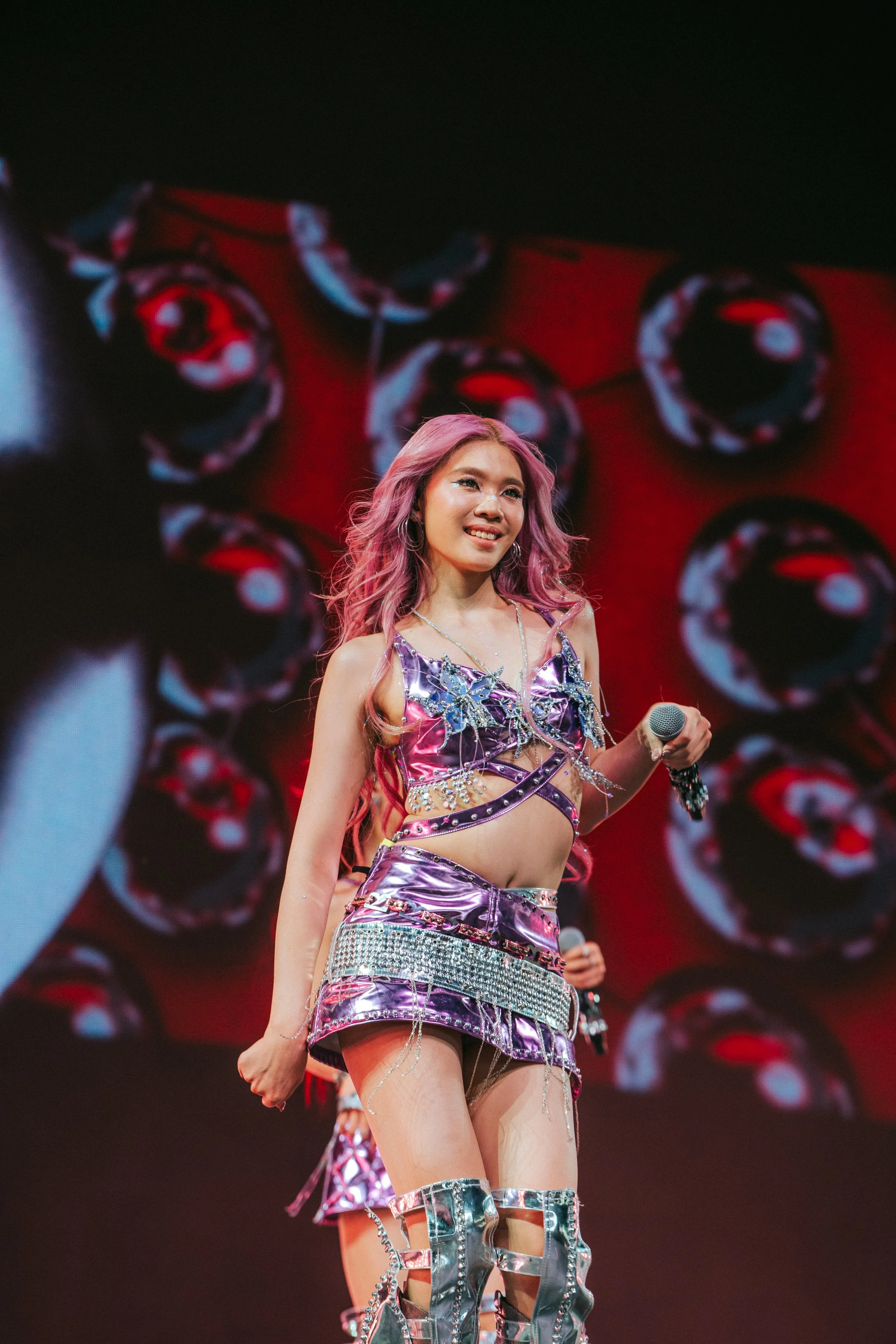
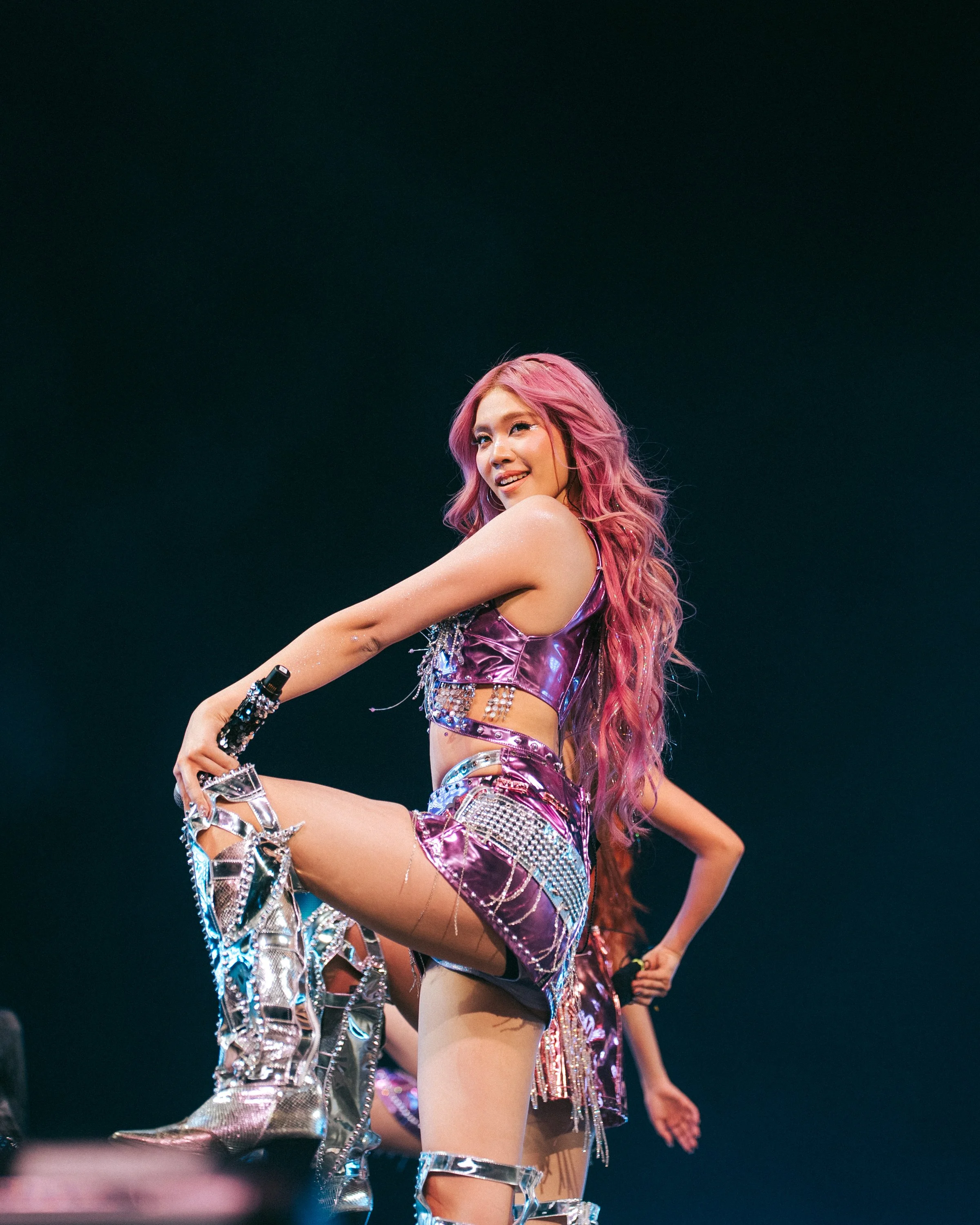
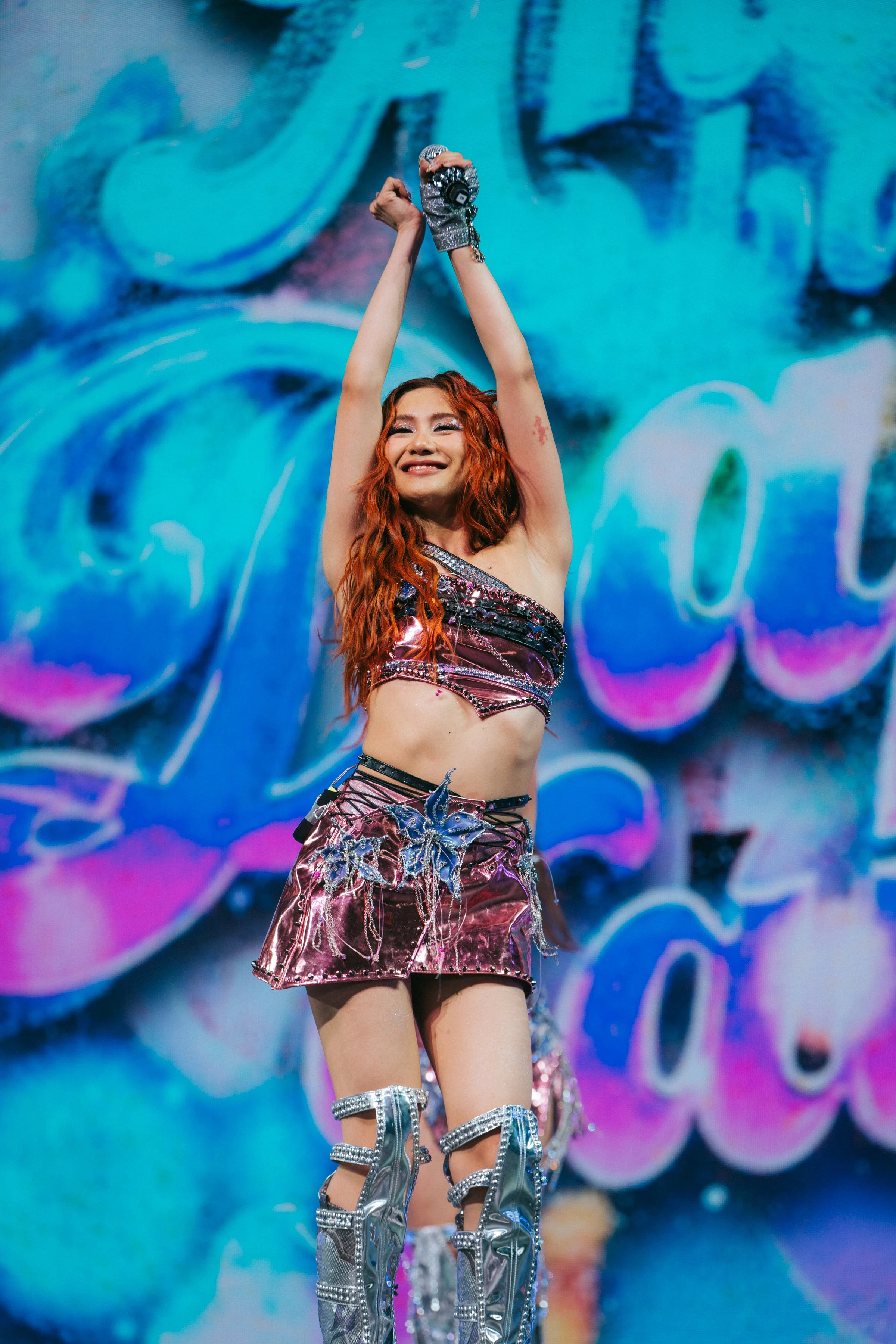
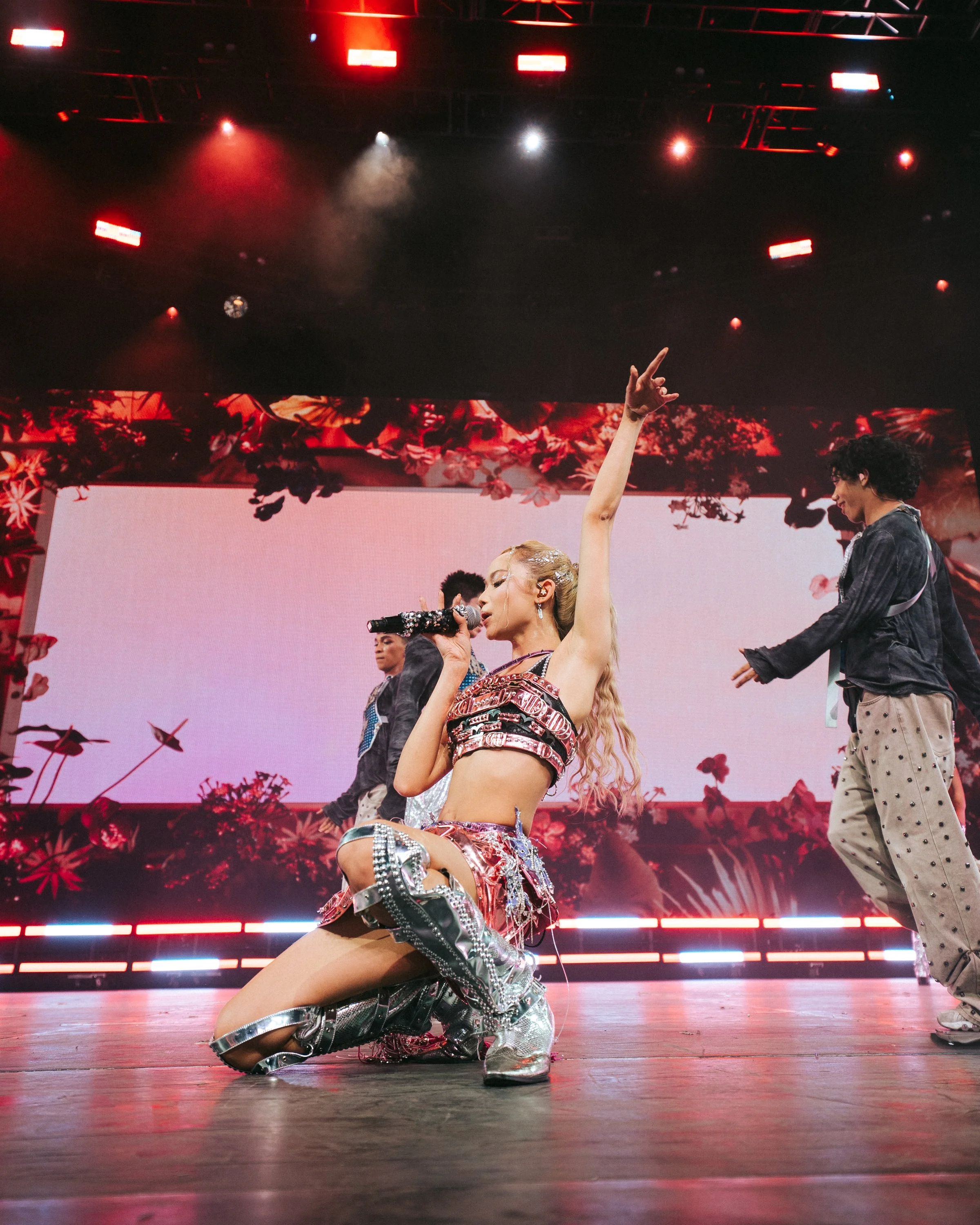
Helping bring that moment to life was LA-based creative studio See You Later, known for translating artists’ musical worlds into immersive live experiences. With full creative control across show direction, lighting, video, and camera, the team designed a performance that extended beyond the desert and onto screens worldwide. Structured in three chapters tracing BINI’s story—who they are, where they’re headed, and a final celebration of their Filipino roots—the production balanced spectacle with intention, building a visual language that felt both expansive and grounded.
See You Later’s involvement also places BINI’s set within a broader lineage of major live productions. The studio has shaped stages for artists like Bad Bunny, Doechii and Missy Elliott, alongside multiple Coachella builds. In that context, BINI’s debut isn’t just a milestone—it’s a moment executed at the same level of scale and intention as some of the most talked-about performances in pop music.
We spoke with TJ Hoover, See You Later’s CEO and Co-Founder, about translating BINI’s identity to a global stage, building a show for both live and digital audiences, and what it means to shape a moment this culturally significant.
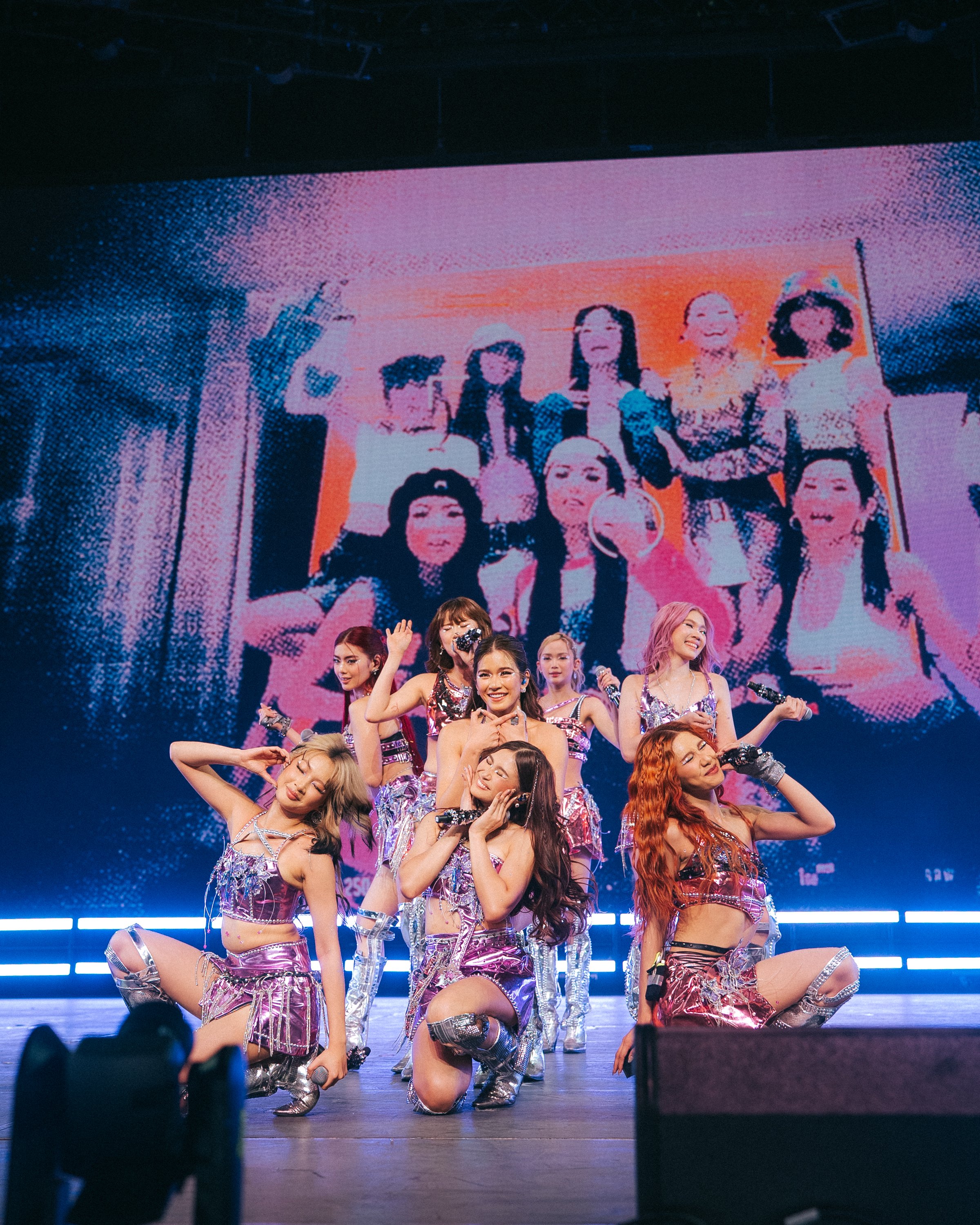
Photography Elaine Tantra, courtesy of See You Later.
This wasn’t just any Coachella set—it carried the weight of being the first all-Filipino girl group on that stage. How did that shape your approach from the beginning? What was your initial vision for the show, and how much did that vision shift from concept to execution?
TJ Hoover: From the beginning, we understood that this wasn’t just a performance, it was a cultural moment. Being the first all-Filipino girl group on the Coachella stage carries weight, and we felt a responsibility to approach it with intention. The initial vision was to create something that could introduce BINI clearly and powerfully to a global audience, while still feeling grounded in who they are. What evolved over time was less the idea, and more the precision. As we moved from concept to execution, everything became more focused - what to emphasize, what to strip away, and how to make each moment land with clarity in a festival environment, especially through pacing, transitions, and how the show unfolds visually.
Can you walk us through the three-part storytelling?
TJ Hoover: The show was built as a progression: Emergence, Reflection, and Radiance.
Emergence was about impact. It introduces BINI as a unified force: clean, graphic, high-energy - something that immediately commands attention.
Reflection opens that up. You start to see individuality, personality, and the deeper layers of their identity. It’s where existing fans feel recognized, and new audiences start to understand who BINI are beyond the surface.
Radiance is where everything resolves. This act became about building up the elements of the Philippines as it unfolded, starting abstract through texture, foliage, and atmosphere, and gradually layering in more grounded, recognizable elements like water and rock.
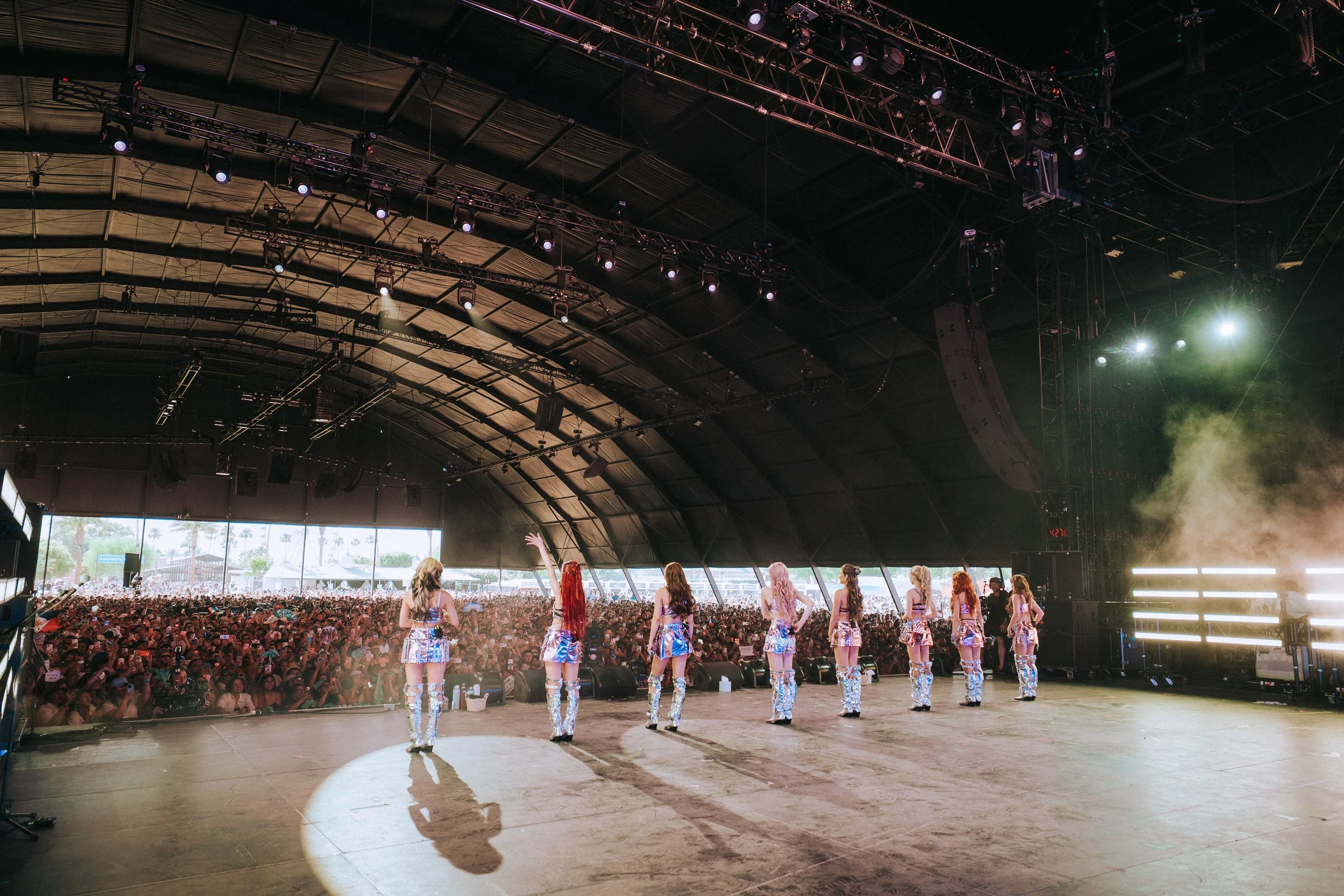
By the end, all of these pieces come together into a fully realized environment. And through how we used crowd camera within the visuals, we’re not just showing it, we’re bringing the audience with us into that environment, shifting it from something you’re watching to something you feel part of.

Photography Elaine Tantra, courtesy of See You Later.
A lot of our readers are part of the Filipino diaspora. You mentioned the show was “camera-first”—how intentional were you about designing for Filipinos watching around the world, not just the live crowd?
TJ Hoover: Very intentional. We knew that a huge part of this audience wouldn’t be physically there, that they’d be watching from around the world. Which is why the show wasn’t designed just for the stage, it was designed for the frame. And that’s why camera wasn’t an afterthought, it was always part of the storytelling. How we composed moments, how we brought the crowd into it, how we revealed the visuals, and how shots evolved over time, it was all about making sure the experience translated emotionally whether you were in the Coachella tent, or watching from the Philippines, or anywhere else in the world. Camera was a big priority from the start.
What surprised you most about working with BINI as a group?
TJ Hoover: Their level of precision. There’s a discipline and a consistency to how they perform that’s really rare, especially in a group that also carries so much personality. They’re incredibly dialled in, but it never feels rigid, rather it feels expressive and alive.
BINI is known for strong individual identities within the group. How did that influence your visual design — did you design with their personalities, or toward a unified stage image?
TJ Hoover: It was a balance. We designed the show to introduce BINI as a unified group first, that’s important for a stage like Coachella, but then quickly created space for individuality to come through. That shows up in moments of framing, color, composition, and how we highlighted certain sections, when we choose to isolate, when we open things up, and how focus shifts across the stage. So, the pursuit of individuality was a lot less about isolating each person, and more about allowing their personalities to emerge naturally within a cohesive system.
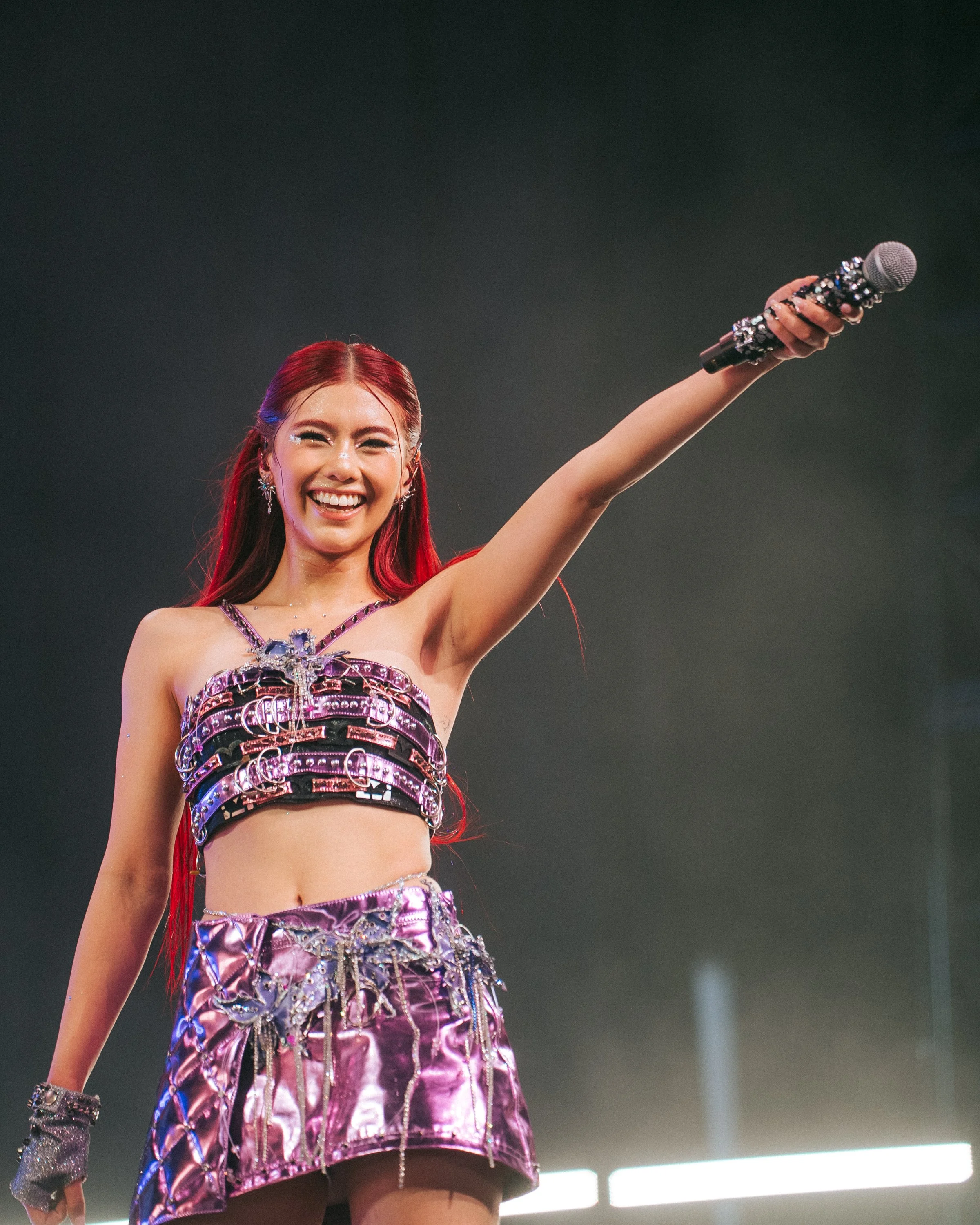
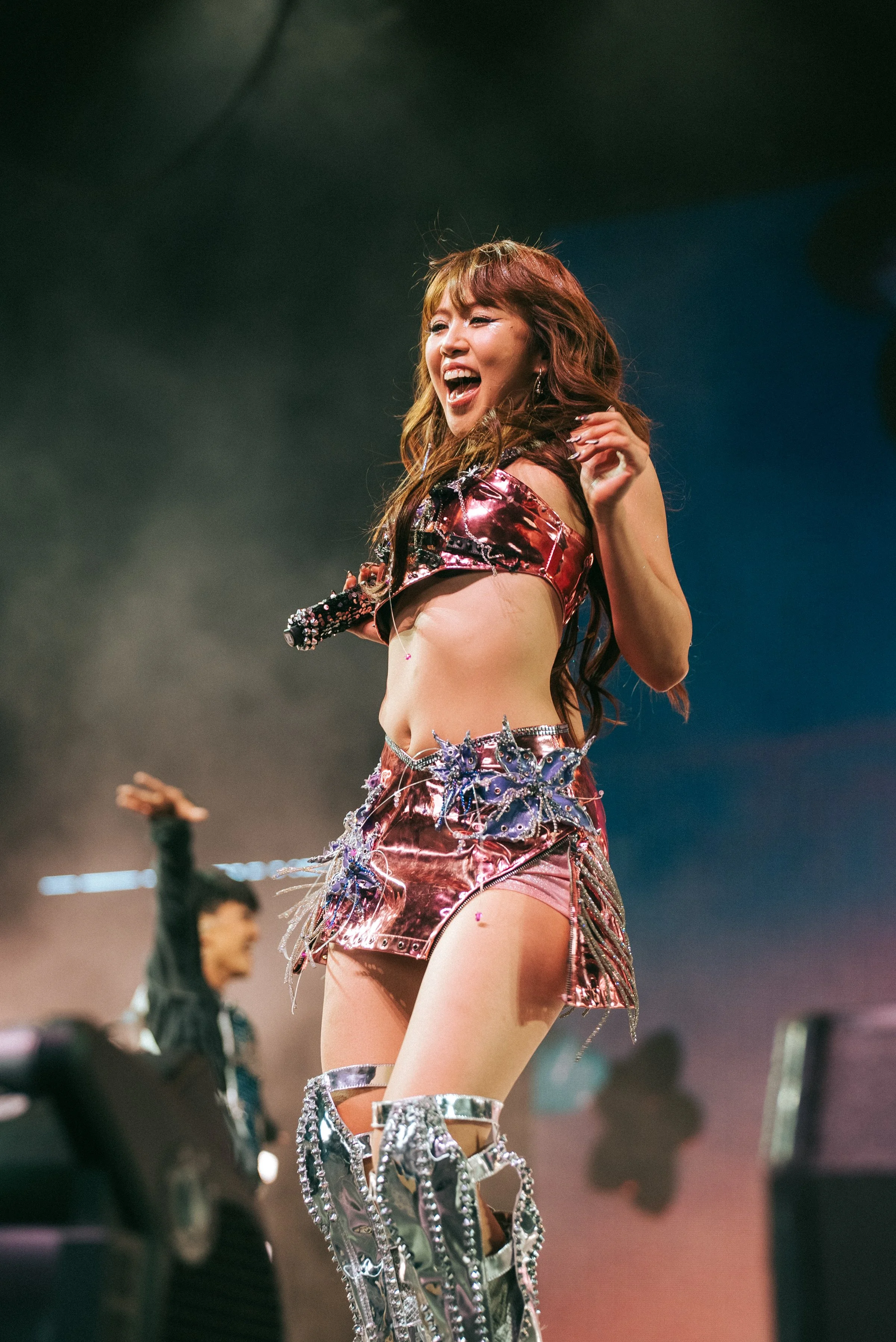
What did BINI bring to the creative table that you didn't expect? Were they involved in directions and decisions?
TJ Hoover: They were very involved, especially in how the show feels. They have a strong sense of identity, and they’re very aware of how they want to be perceived. So, a lot of the collaboration was about aligning on tone, making sure that what we were building visually felt true to them. It wasn’t about dictating direction, it was about shaping something together that felt authentic.
BINI wove Filipino cultural identity into the performance — kulintang, Tagalog lyrics, the imagery. Was See You Later involved in any of those cultural language decisions? What was that conversation like?
TJ Hoover: Those elements really come from BINI and their team, that’s their voice. Our role was to support and frame those elements visually in a way that could translate onto a global stage without losing any of their meaning in how they’re revealed, layered, and experienced by the audience within the show. It was less about creating this cultural language for the show, and more about making sure it was presented with clarity and intention.
How do you avoid Filipino elements being reduced to aesthetics when presenting them on a global stage?
TJ Hoover: By not treating them as surface-level design choices. Everything has to come from a place of meaning and context. If something is included, it has to feel intentional, not decorative. Which also means listening. Understanding where those elements come from, and making sure they’re presented in a way that respects that origin, rather than simplifying them for visual effect.
Photography Elaine Tantra, courtesy of See You Later.
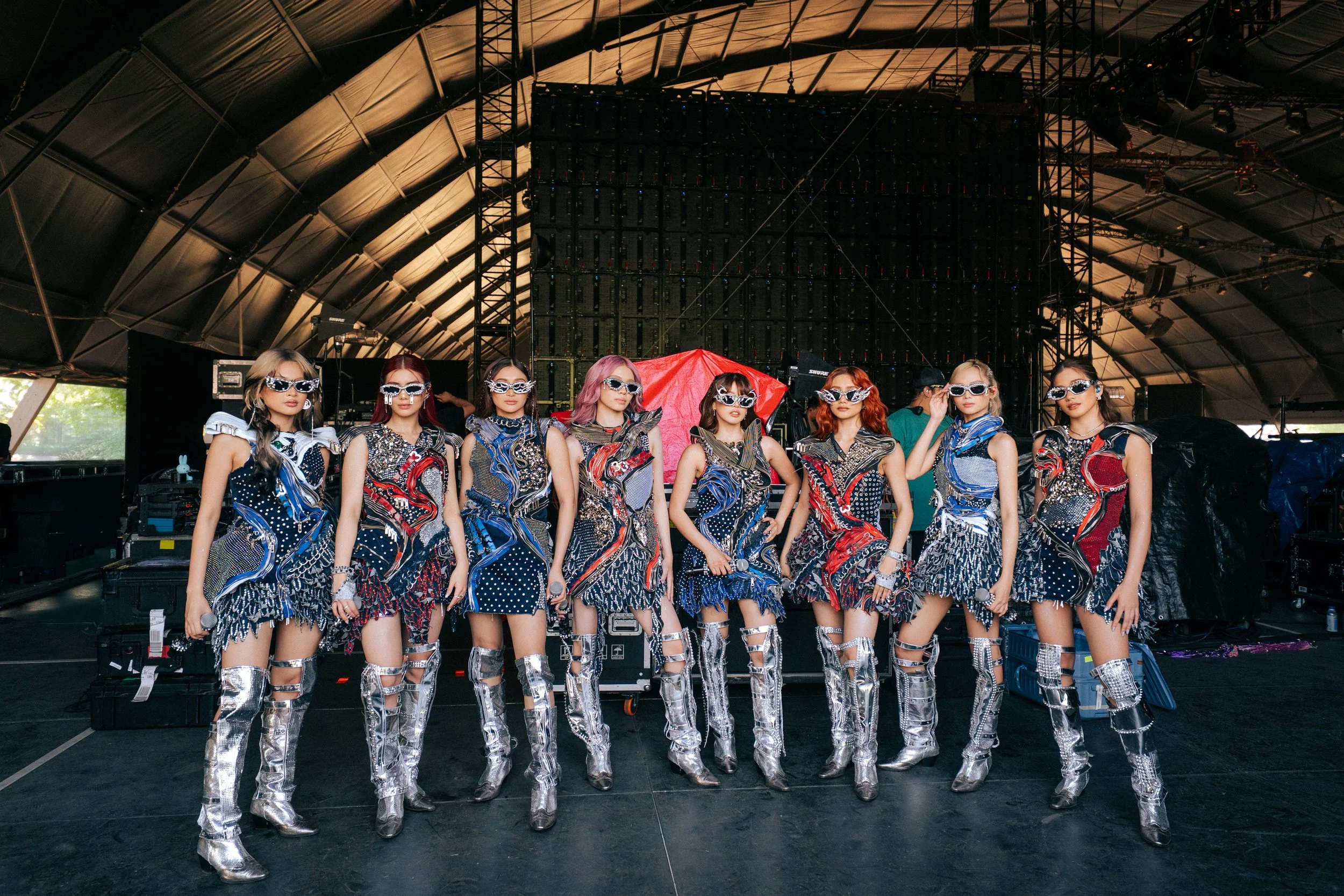
The show’s visual world extended into the costumes, from gold, warrior-inspired looks rooted in traditional Filipino elements to more fluid, siren-like pieces. How did you work with creative director Ica Villanueva and designers Marian Zara, Job Dacon, and Raf Villas to ensure everything—from styling to staging—felt like one unified narrative?
TJ Hoover: It was a very collaborative process. We were all working toward the same goal, making sure the world of the show felt cohesive across every layer. That means constant alignment between stage, lighting, content, and wardrobe. The key is that nothing exists in isolation. The styling, the visuals, the lighting, they all have to support the same narrative language, from how materials catch light to how silhouettes read on camera.
How do you approach the responsibility of representing a culture and community on the world's biggest stage when you're the ones controlling the lights and cameras?
TJ Hoover: You approach it with care and awareness of what it represents beyond the performance itself. We also had Filipino members on our team, including our Executive Producer and Lighting Programmer, so for us there was a real sense of internal connection to the moment as well. And that added another layer of responsibility to get it right.
As a studio, you work with global artists across cultures. What was different or significant about this project specifically?
TJ Hoover: The level of cultural significance. A lot of projects are about scale or spectacle, this one had a deeper layer. It was about representation, identity, and timing. And that awareness shifts how you approach decisions. It becomes less about what looks impressive, and more about what feels meaningful, and how each moment contributes to that.
Photography Elaine Tantra, courtesy of See You Later.
There’s a powerful moment behind all this—Jhoanna [Robles, BINI’s leader] manifesting Coachella just a year ago. Did that sense of manifestation or dream-building influence how you designed the show?
TJ Hoover: I think it shows up more in the energy than the design itself. There’s a sense of momentum and intention behind the performance that you can feel. Our job was to create a structure that could support that, something that builds, opens up, and ultimately lands in a way that feels earned.
People are already comparing this to what BLACKPINK’s Coachella moment did for K-pop. Did that kind of precedent factor into your thinking at all?
TJ Hoover: You’re always aware of precedent, but we try not to design in reaction to it. The goal is to create something that feels specific to the artist in front of you. For BINI, that meant focusing on their identity, their energy, and their relationship with their audience.
P-pop is having its "moment" — but BINI has been building for years. From your vantage point behind the scenes of culture, what does it feel like when something shifts from niche to global?
TJ Hoover: It feels like a shift in clarity. Suddenly, everything has to translate faster and more directly. What was once gradually understood by a core audience, now has to be felt immediately by a much broader one. And that’s where design and storytelling become critical, especially in how moments are structured and delivered.
Photography Elaine Tantra, courtesy of See You Later.
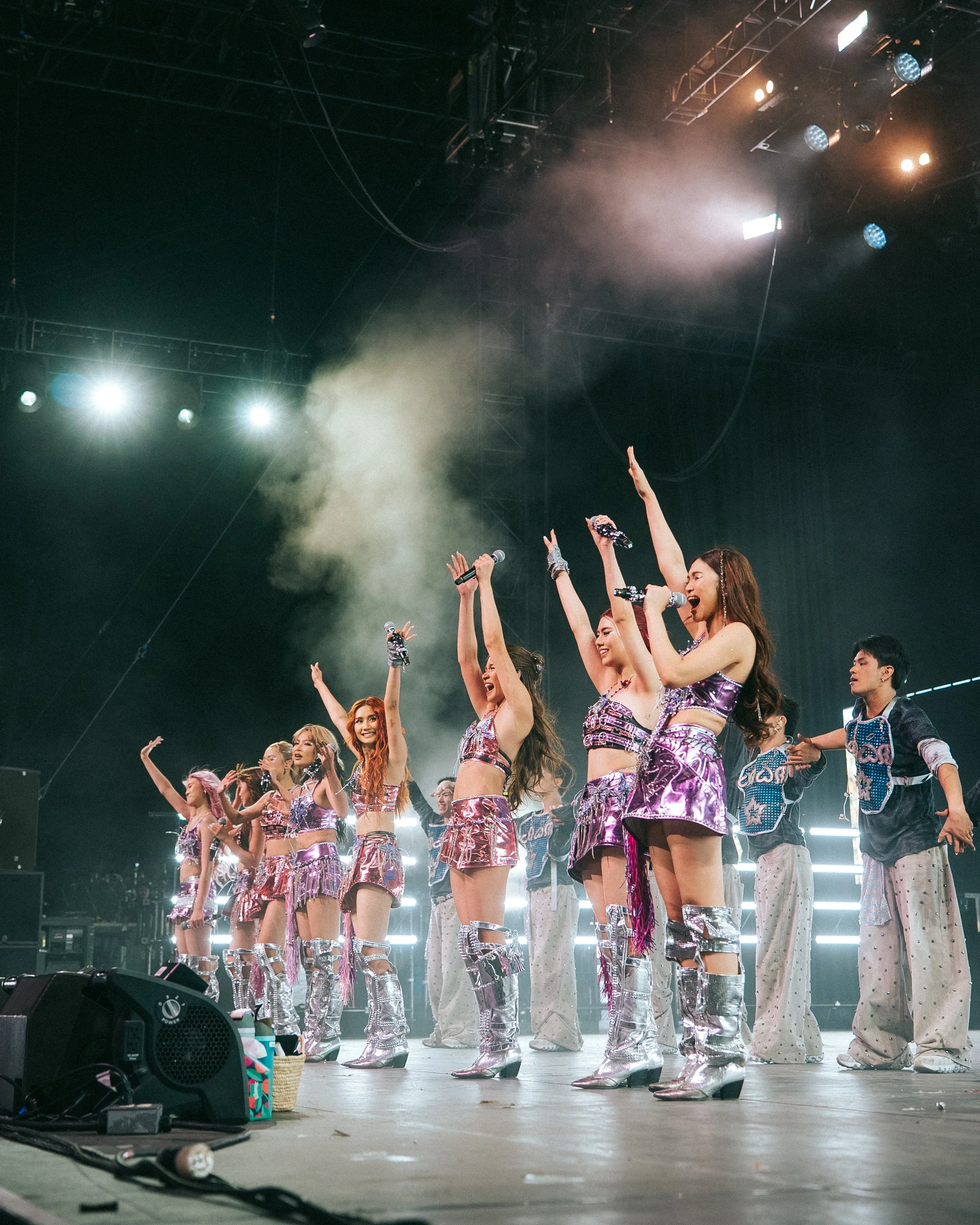
What do you want people who watched BINI's Coachella set to feel — and do you think it landed?
TJ Hoover: The goal was for people to feel connected, whether that’s to BINI themselves, to their energy, or to the culture behind all of it. And from the response, it feels like that intention landed. People weren’t just watching, they were engaging.
BINI’s Coachella set has been watched tens of millions of times — a lot of those viewers are young Filipino creatives seeing themselves reflected on a world stage for the first time. What do you want them to take away from this moment beyond the performance itself?
TJ Hoover: That there’s space for them at this level. Not just to participate, but to define what this space looks like. Because moments like this are never just about visibility, they are, first and foremost, about possibility.
Explore more of See You Later’s work on their official website.