
3 Filipino Designers Redefining Sustainable Fashion

Aiala and Isabel Sicat. Photography Cenon at Mav. Photo courtesy of TOQA.
How TOQA, Alyanna Ferrer, and RIOtaso are doing their part to save the world, one cute outfit at a time
Text Camay Abraham
From Hella Pinay Issue 02: Interconnected - Fall/Winter 2021.
From patchworked crop tops to face masks made from post-waste materials, sustainable fashion has come a long way from the stereotypical frumpy burlap sacks. Whether you’re trying to do your small part to save the world from climate crisis or simply minimize waste, sustainability is a huge umbrella term that can be addressed from many different angles. From upcycling used clothing to creating custom textiles sewn together from scrap fabric, we speak to three Filipino designers who are redefining sustainable fashion through their own unique lenses.

Still from TOQA’s ‘Rave Cave’ collection. Photography Borgy Angeles. Photo courtesy of TOQA.

Still from TOQA’s ‘Moodyisle’ collection. Photography Borgy Angeles. Photo courtesy of TOQA.
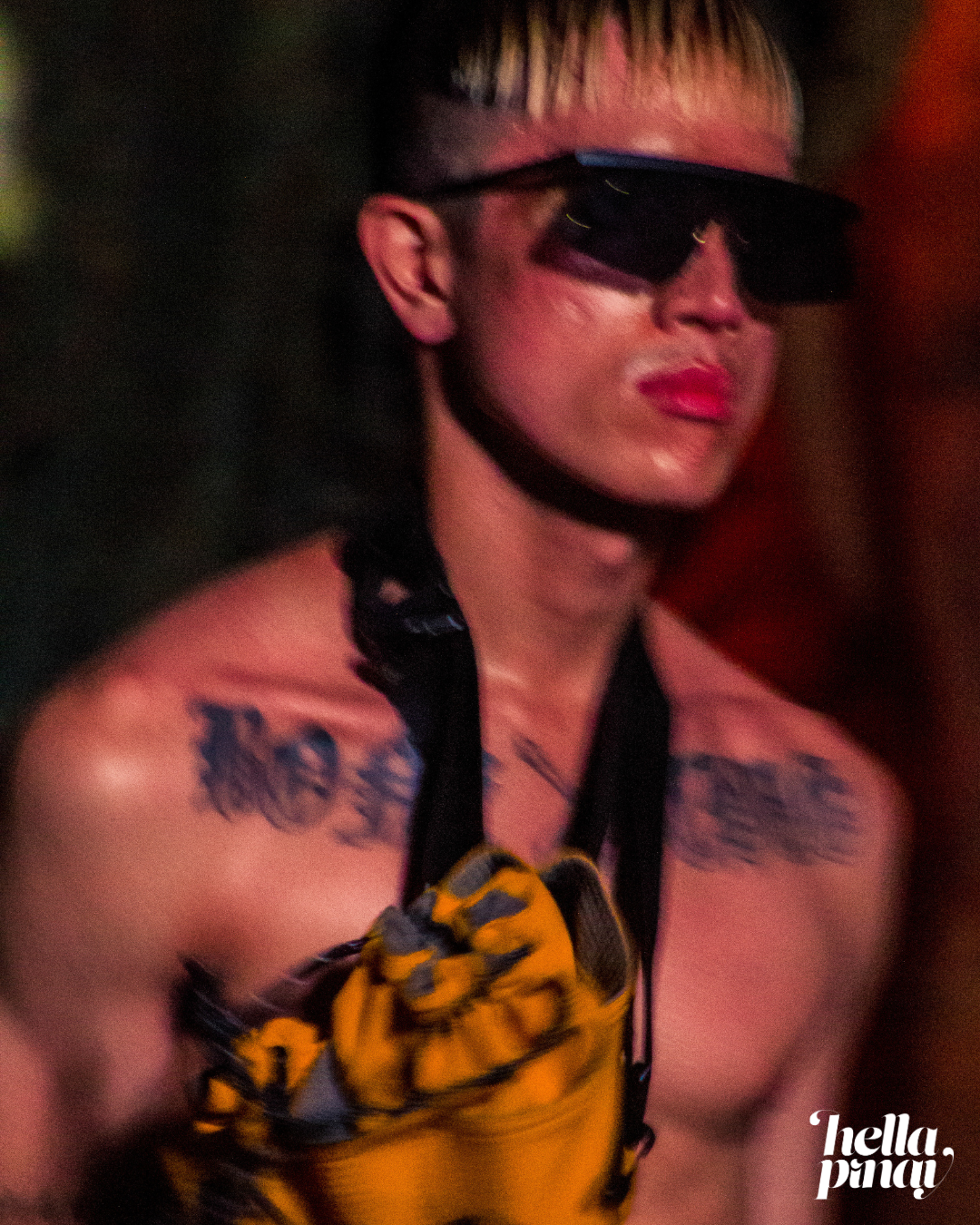
Still from TOQA’s ‘Rave Cave’ collection. Photography Borgy Angeles. Photo courtesy of TOQA.
Isabel Sicat, co-founder of TOQA
Along with her design partner Aiala, Isabel Sicat runs TOQA, a multidisciplinary design studio addressing sustainability and accessibility through the medium of clothing. The former Alexander Wang alum talks about how the Manila/Hawaii-based brand is redefining tropical aesthetics and championing an authentic representation of contemporary island life through design and a commitment to sustainability.
How did TOQA come about?
Isabel Sicat: The name came from my dog, but we changed the spelling so it would mean something different. Aiala and I found each other in college at the Rhode Island School of Design (RISD). She’s half Hawaiian and Filipino, and I’m from Manila. We were both designing clothes under the umbrella of sportswear. I was working at Alexander Wang and she was working at Telfar. There was a limited understanding of what clothing from the islands was. We had our respective interests in sustainability and what that means to us, and what a brand and identity outside of the Philippines and Hawaii would look like. That’s what connected us and what started it.
How would you describe the “island girl” aesthetic compared to your redefinition through TOQA?
Isabel Sicat: One motif of the islander girl aesthetic is wearing a lei, coconut bra, and lying on the beach. It’s very singular image wise. As we have found our community in the Philippines, which is more queer and class transcendent, it helped us expand that islander girl definition. Instead of one gender-specific image, ours is inclusive. Anyone who identifies with the tenets of sportswear, which is multifunctionality of wearing a garment materially or culturally.
What is the TOQA ethos?
Isabel Sicat: Our ethos is to reduce waste and add value that expands culturally and materially. As time has gone by we have refined the elements of functionality, fine art, and this limited edition idea where we only use deadstock or recycled material. Especially in COVID, we are thinking about sustainability as a whole entity and how it extends to our artistic practice. We can’t change the world supply chain nor are we equipped for it, but we can change how we are experts in our artistry and define what sustainability is for us. Textile manipulation and our circular economy of fabrics are all these things that come from a cultural understanding, being Filipino or from an island where your resources are limited. You're more aware of how to be mindful of your creation and how that feeds into a larger cycle.

Aiala and Isabel Sicat. Photography Cenon at Mav. Photo courtesy of TOQA.
What got you into sustainability or sustainable fashion?
Isabel Sicat: For both of us, it was never like it just popped up. I thought I was going to be an environmental lawyer and Aiala has always been passionate about marine ocean life and cleaning up the ocean and earth.
You were born in the Philippines and studied in the States. When you came back to the Philippines did your view of fashion change?
Isabel Sicat: My love of fashion never changed but my appreciation for what could be seen as Filipino fashion grew after my experiences in RISD in New York. I asked myself, what is my aesthetic lens? How is it different from the foreseen understanding of Filipino fashion? I think the more you expose yourself to different ways of thinking, working and creating, the more creative you can become.
Did you see your home [Philippines] in a different light once you studied abroad?
Isabel Sicat: For sure! I chose to come back. I could’ve stayed in New York at Alexander Wang (and Aiala at Telfar) but you understand the potential, the value, and see the responsibility that comes with advocating for a place. The Philippines is so unique and has so much to offer. There's so much of it I want the world to see.
What is your design process like when working with deadstock or recycled materials?
Isabel Sicat: There's this element of looseness to it. When we're sourcing, and there's piles of fabrics everywhere, whatever catches our eye or feels correct dictates the design. How you can manipulate the material is the most interesting part of the process. It's difficult because you have to get it right the first go and there's a limited amount of it. It's hard but you get better at it. The longer you work with the material you learn more about it and know how to handle it. The end of the process is when your best stuff comes out because you know what the fabric can do. Process is about being open, trying things and being okay if it doesn't necessarily work out.
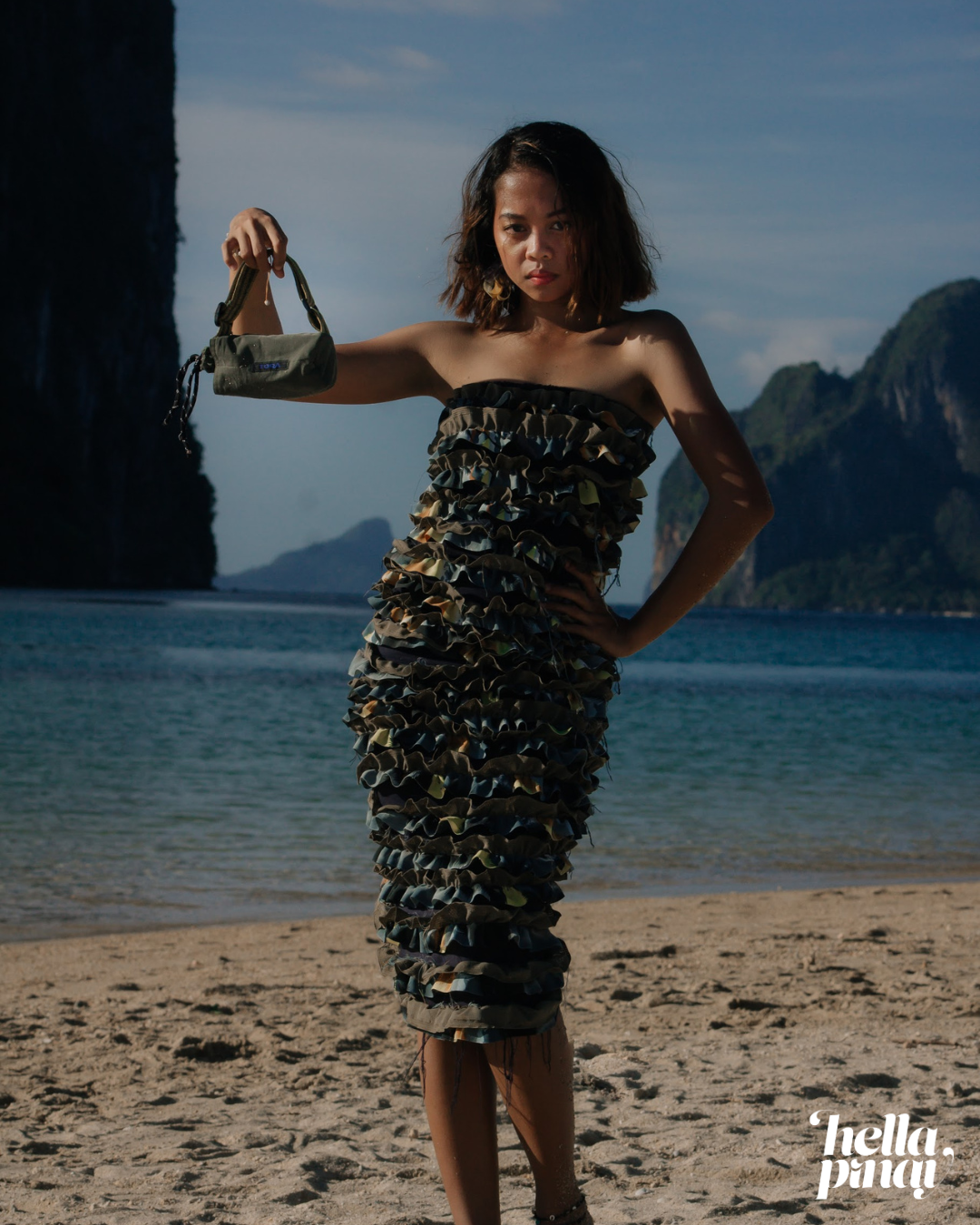
Still from TOQA’s ‘Moodyisle’ collection. Photography Borgy Angeles. Photo courtesy of TOQA.
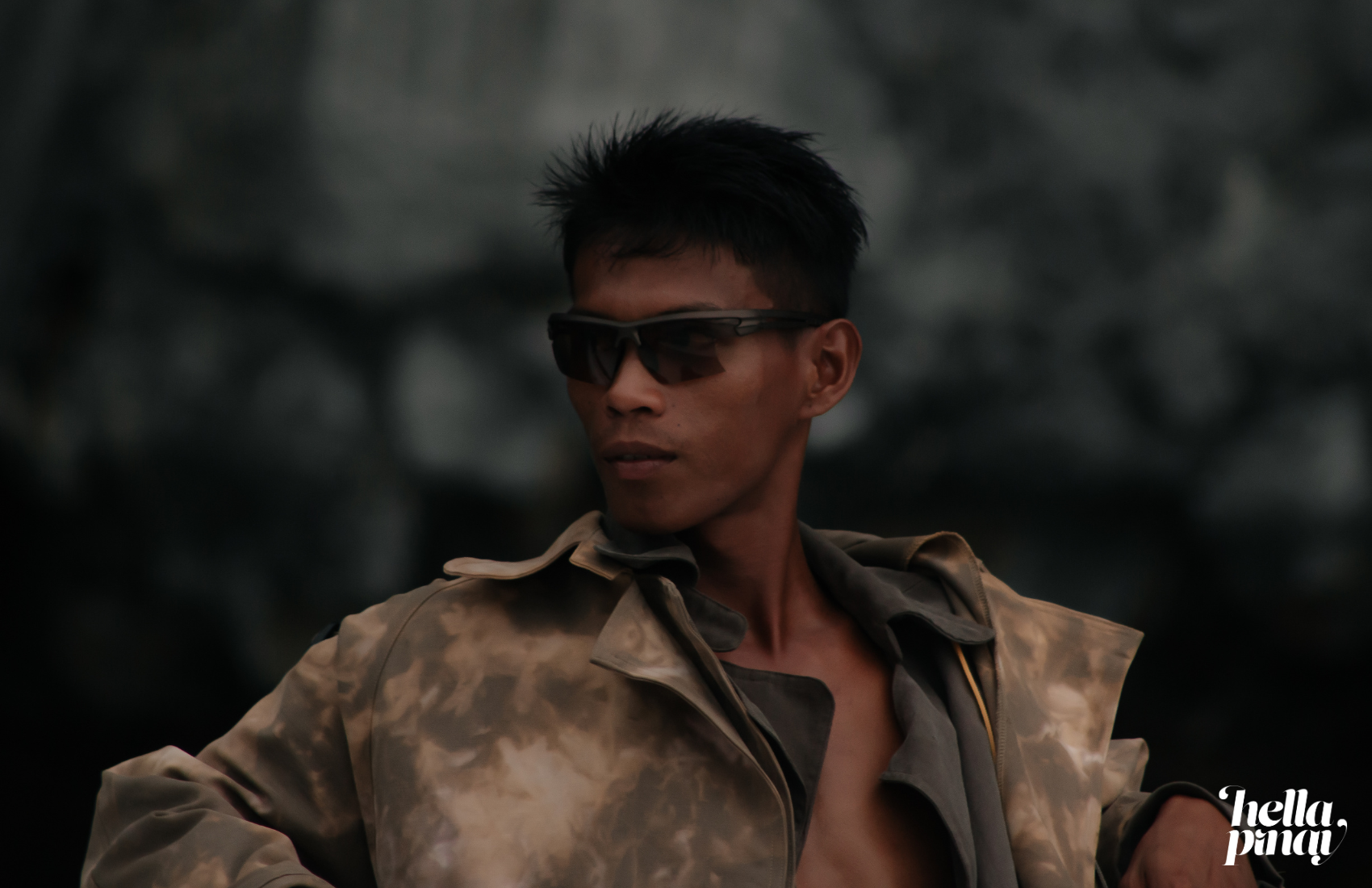
Still from TOQA’s ‘Moodyisle’ collection. Photography Borgy Angeles. Photo courtesy of TOQA.
In the midst of climate change and COVID measures, what is the Filipino fashion industry like currently?
Isabel Sicat: As someone who’s in the industry, all the Filipino fashion brands need your support now. It may not seem like much work is chugged out, but I guarantee you behind the scenes everyone is trying their best to survive. No one is really asking about sustainability because people are more into escapism and enjoy not thinking so deeply about the ramifications of things. The Philippine fashion industry took such a heavy hit. Artists and designers have lost their communities or homes, and the ways they interact. Anyone who is making things right now is doing it because they love it and not because it's easy.
As someone who has always been interested in sustainability, what is your stance on sustainable fashion being so popular?
Isabel Sicat: Obviously it's good that people are talking about it but you want it to be actually thoughtful opposed to slapping a green sticker onto something. It's a double edged sword. For the smaller independent brands who are pushing for it, it’s a difficult process without significant funding compared to an American or European brand. There should be credit given to the ingenuity of Filipinos and other places who don't have those supply chains and who are further impacted by the difficulties of working during COVID.
What do you want to see as your future for TOQA?
Isabel Sicat: I hope it grows into something honest, bright and positive. Our vision is to make new tropical fictions. I'm so tired of the harsh realities of which we live. I'd rather invest in a world that is open and inclusive for all.
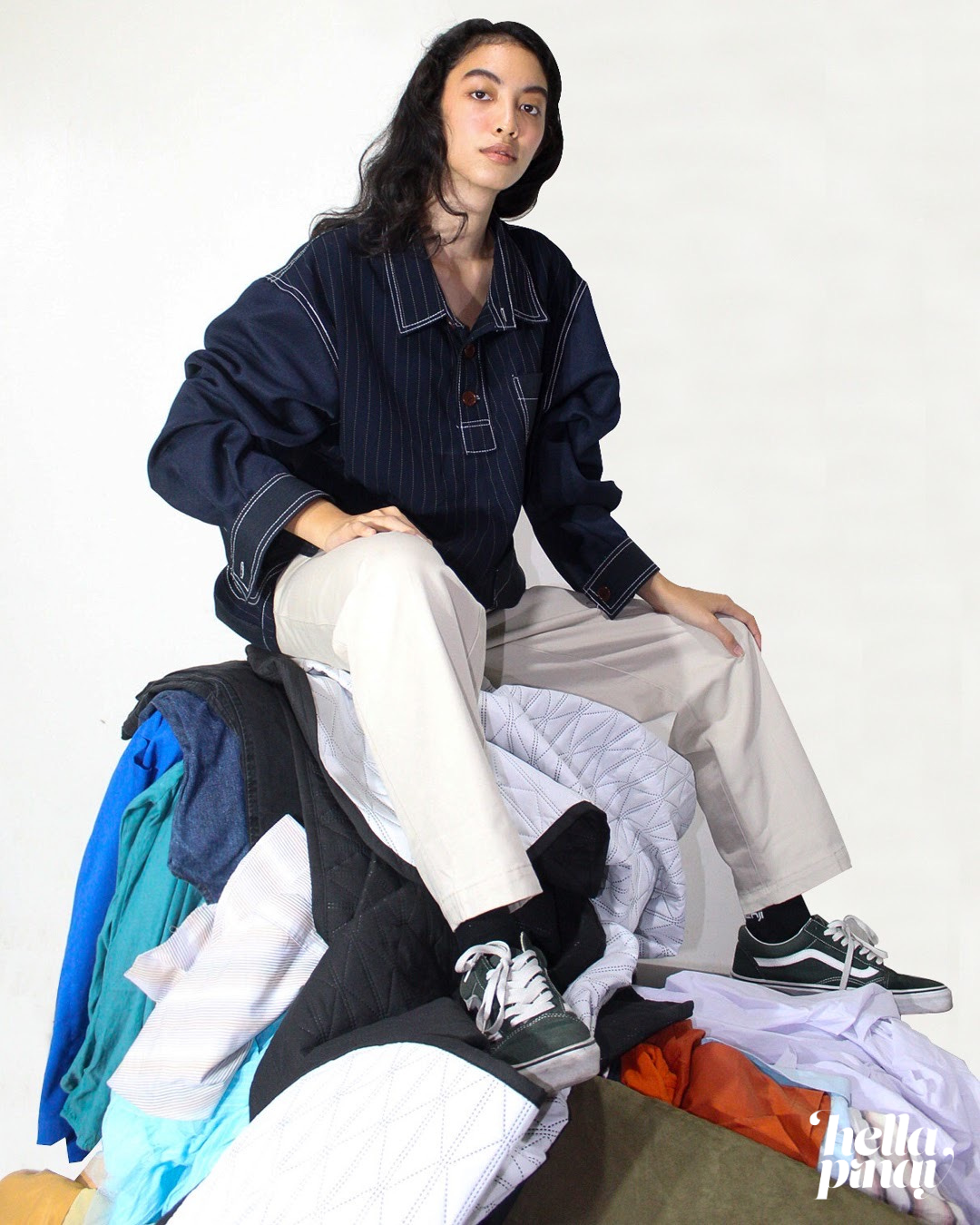
Still from REISSUE COLLECTION VOL. 01, a progressive collection of reissued pieces made from old, unwanted, and deadstock materials. Photo courtesy of the designer.
Alyanna Ferrer, founder of Alyanna Ferrer
Stylist-turned-designer Alyanna Ferrer launched her namesake label after learning about sustainability over lockdown in 2020. Upcycling both used and unused clothing, Ferrer transforms them into timeless pieces with a minimalist edge that will keep your fashion game strong for the long run. We chatted with the designer on her upcycling journey.
How did you get into fashion?
Alyanna Ferrer: I started out fashion styling on a television show. I knew I wanted to be a designer but didn’t know what kind, so I explored different jobs in the fashion industry. I sent out my resume to designers, which was going well until the pandemic happened. I had to stay at home like everyone else and had more time to reflect on what I wanted to do.
Since I had so much time on my hands, I watched a lot of documentaries about fashion sustainability and the issues surrounding the industry. It compelled me to do my part as a designer to make a difference. Not just create something beautiful, but something meaningful that would help everyone and rewire the fashion system.
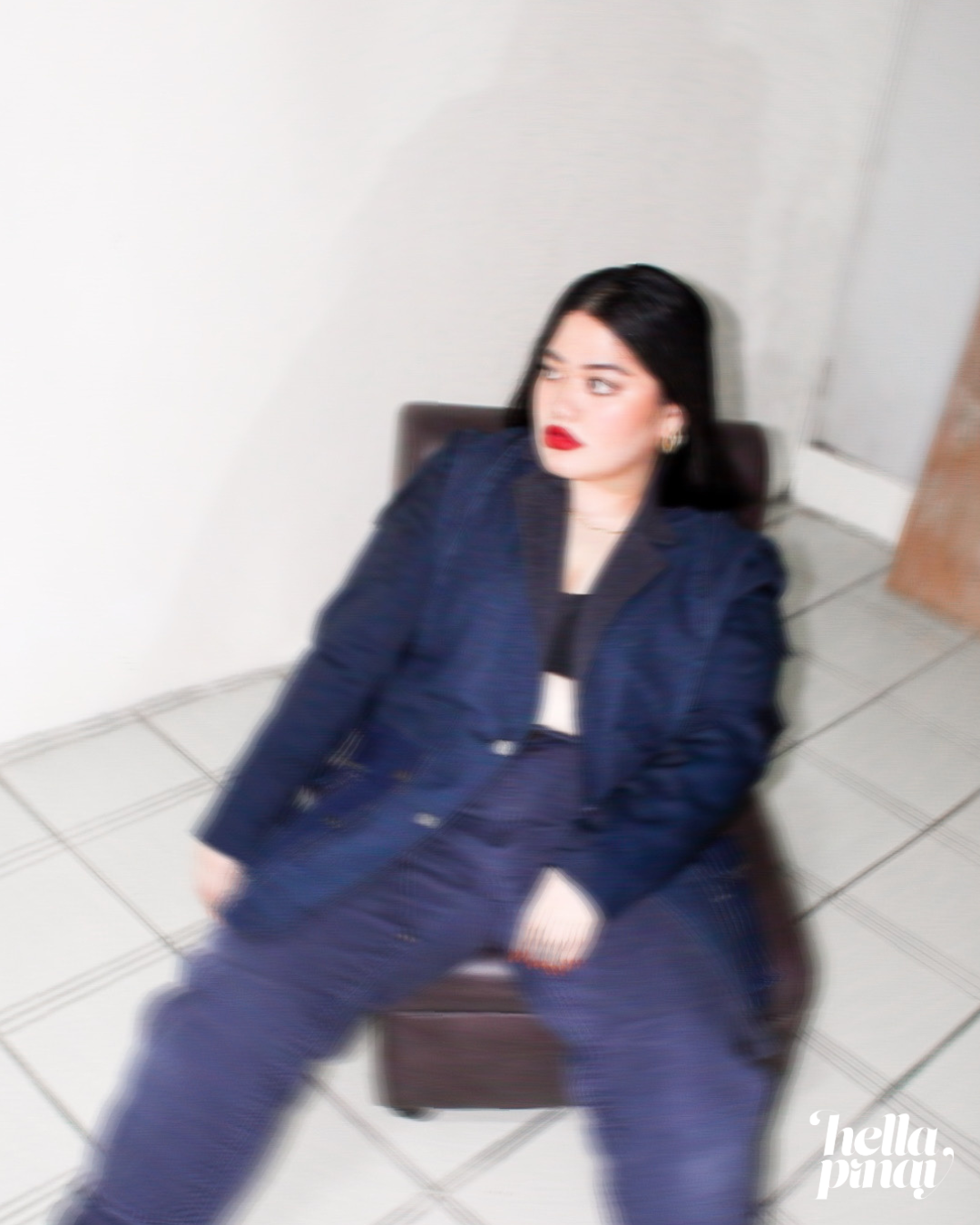
Alyanna Ferrer in her own designs. Photo courtesy of the designer.
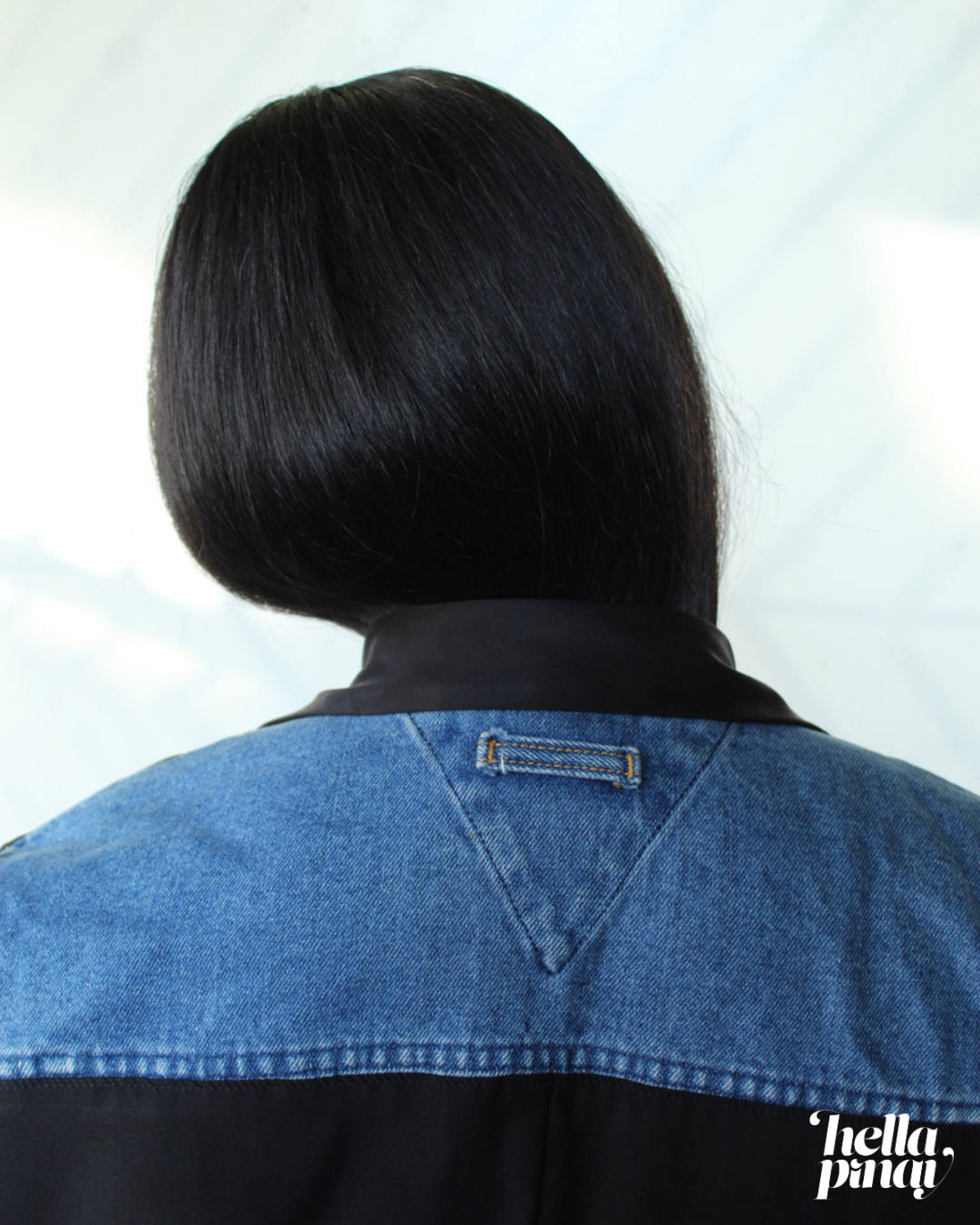
Still from REISSUE COLLECTION VOL. 01, a progressive collection of reissued pieces made from old, unwanted, and deadstock materials. Photo courtesy of the designer.
Your design aesthetic for a sustainable designer is quite different. I would never know it was upcycled unless you told me. What inspired you to go down this direction visually when you created your brand?
Alyanna Ferrer: When I realized I wanted to be a sustainable designer I didn't want it to be the main focus of the brand visually. As a designer I know my aesthetic is not like that. It’s not a “goody goody” aesthetic. It’s heavily influenced by menswear mixed with something functional and timeless. I wanted it to be something that people can wear in their everyday lives that’s not just cute to put on.
The style comes from my personal preference. I always wear something masculine. I have a pair of trousers from my dad way back in the 90s. I got them altered and wore them every week for two years. It opened my eyes that clothing is meant to be worn multiple times. I think people are scared to wear something for a long period of time because they might be called “baduy”, meaning unfashionable in Tagalog.
What’s your design process?
Alyanna Ferrer: I collected everything from home that we didn’t wear. Like my first collection, Reissue Volume 01, which was unused clothing from my household. Eventually I met a supplier, Humble Sustainability, who collects used and unused clothing and other items from different households and companies. They invited me to their warehouse to choose any item that I can use for upcoming collections. I then compile them and upcycle them into new collections.
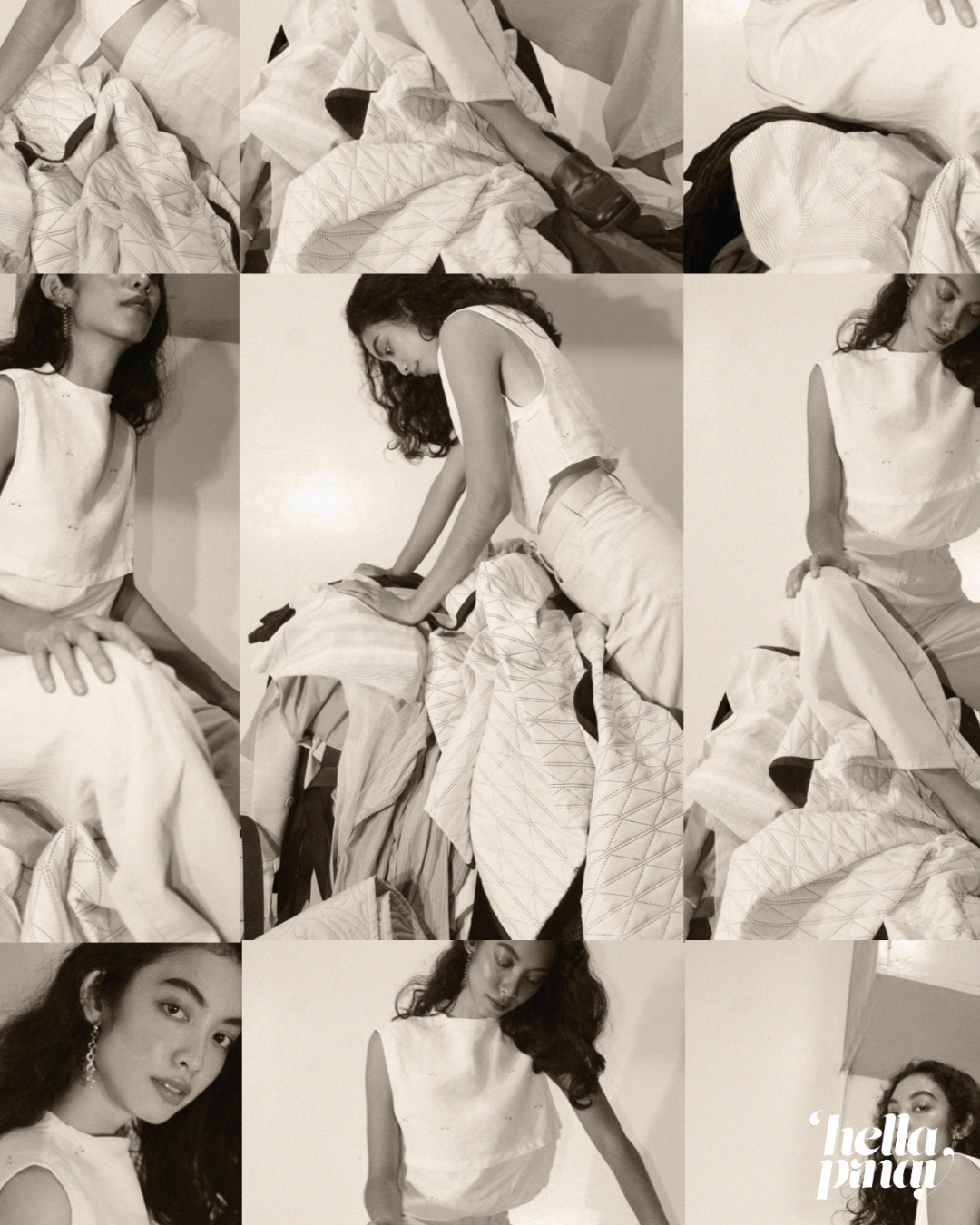


Stills from REISSUE COLLECTION VOL. 01, a progressive collection of reissued pieces made from old, unwanted, and deadstock materials. Photos courtesy of the designer.
Is sustainable fashion becoming more popular in the Philippines?
Alyanna Ferrer: From what I’m seeing more brands are transitioning into sustainability. Before it was a lot of fast fashion or trends from western culture. Once I fully committed to sustainability, I met a lot of designers who have different takes on it. The ukay-ukay, which is like a Goodwill, is also popular. Youths would buy it as it's cheaper and the styles are different from what you see in the market.
What are your future goals for Alyanna Ferrer?
Alyanna Ferrer: My vision for the brand is to grow and collaborate with other brands who aren’t practicing sustainability yet. I want to help them transition to make better choices.
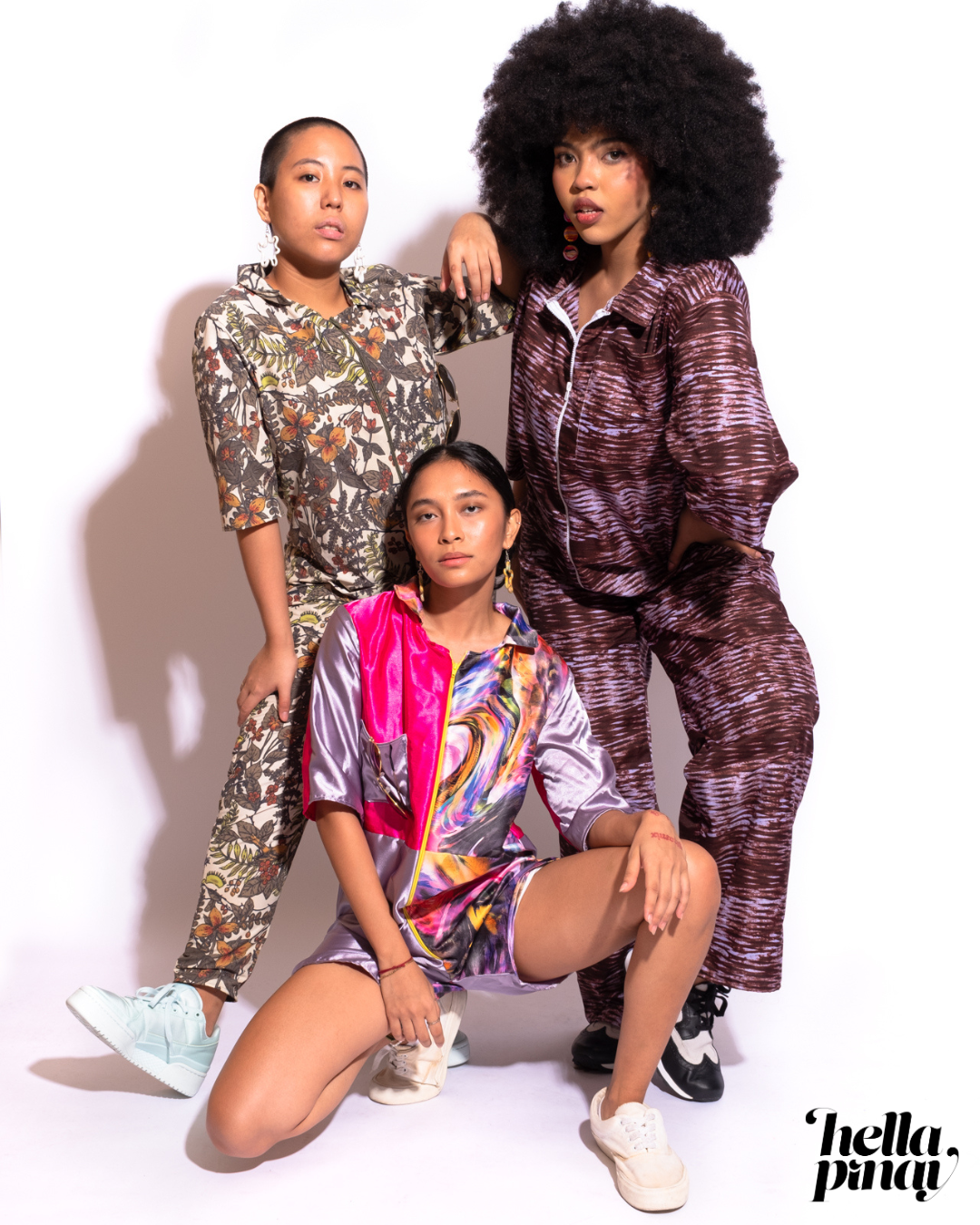
Photography Anton Armovit of Sprezzatura Studio. Models Rio Estuar, Talia Armovit, Jeska Sta. Teresa. Photo courtesy of RIOtaso
Rio Estuar, founder of RIOtaso
Rio Estuar is a slow fashion designer exploring new ways of sustainability through using fabric scraps – ”retaso” – upon which her brand name is a clever pun. We chat with the bubbly designer about her rollercoaster journey, inclusivity, ethical labor, and educating the masses about the true cost of fashion, one TikTok at a time.
How did your brand, RIOtaso, come about?
Rio Estuar: I studied fashion design in college and graduated in 2017. In my fourth year I launched my first clothing collection and realized there was so much waste – and that was only six garments! I thought, Wow, how much more waste do other brands produce on a higher scale? My fashion line started to blow up, Pia Wurtzbach wore my design on a magazine cover; but I decided to stop for a whole year and regroup. The hype was real, but I wasn't happy. I was graduating and I didn't know if I wanted to be in fashion anymore. I needed to figure out how I could continue fashion design while aligning it with my values. After a year I went back to my studio and had a bunch of fabric scraps just from being a college student. I didn't want to throw it away so I started sorting them, piecing it together, and designing. That’s how RIOtaso was born.
How would you define RIOtaso?
Rio Estuar: Slow fashion aiming for zero waste, although I know we can never be completely zero waste. My sister plays a big part in that because she lives a zero waste life. I also say comfort, practicality and pockets! I emphasize pockets because I think it's important for the longevity of clothing. If it's functional people tend to wear it more in their daily lives.
Where do you get your fabric scraps from?
Rio Estuar: When it started, it was my own stash from college, but when my brand got its name out there other brands would reach out and say, we have scraps. It took a while for brands to accept to be transparent that they make fabric waste. Before when brands were secretive about their waste, I would go to their warehouses and find bags of perfectly good fabrics by the trash bins. I found rolls of cotton unused, literally nothing wrong with them!
What if you run out fabric scraps?
Rio Estuar: I’ve never had that problem as there’s so much waste. I'd be so amazed and happy if I ran out of scraps! My work here would be done.
Why did you add custom tailoring options to your brand?
Rio Estuar: It was my way of becoming a more inclusive brand. I wanted to be inclusive but didn't have the budget yet. It's expensive to experiment with all the size ranges so I asked people if I could try custom tailoring for them instead. Now I’m able to understand different bodies and can confidently make clothes up to 5XL. This took me a year of slow experimentation and it helped consumers know they have options.
What's the type of look or aesthetic you want to go for in your clothing?
Rio Estuar: It's so hard to answer that question given I never know what I'm working with most of the time. I have to source scraps and then sort by kind. Normally you design first then buy fabric. But here, I go backwards. I see the fabric and think about what is best for someone who can wear it long term.
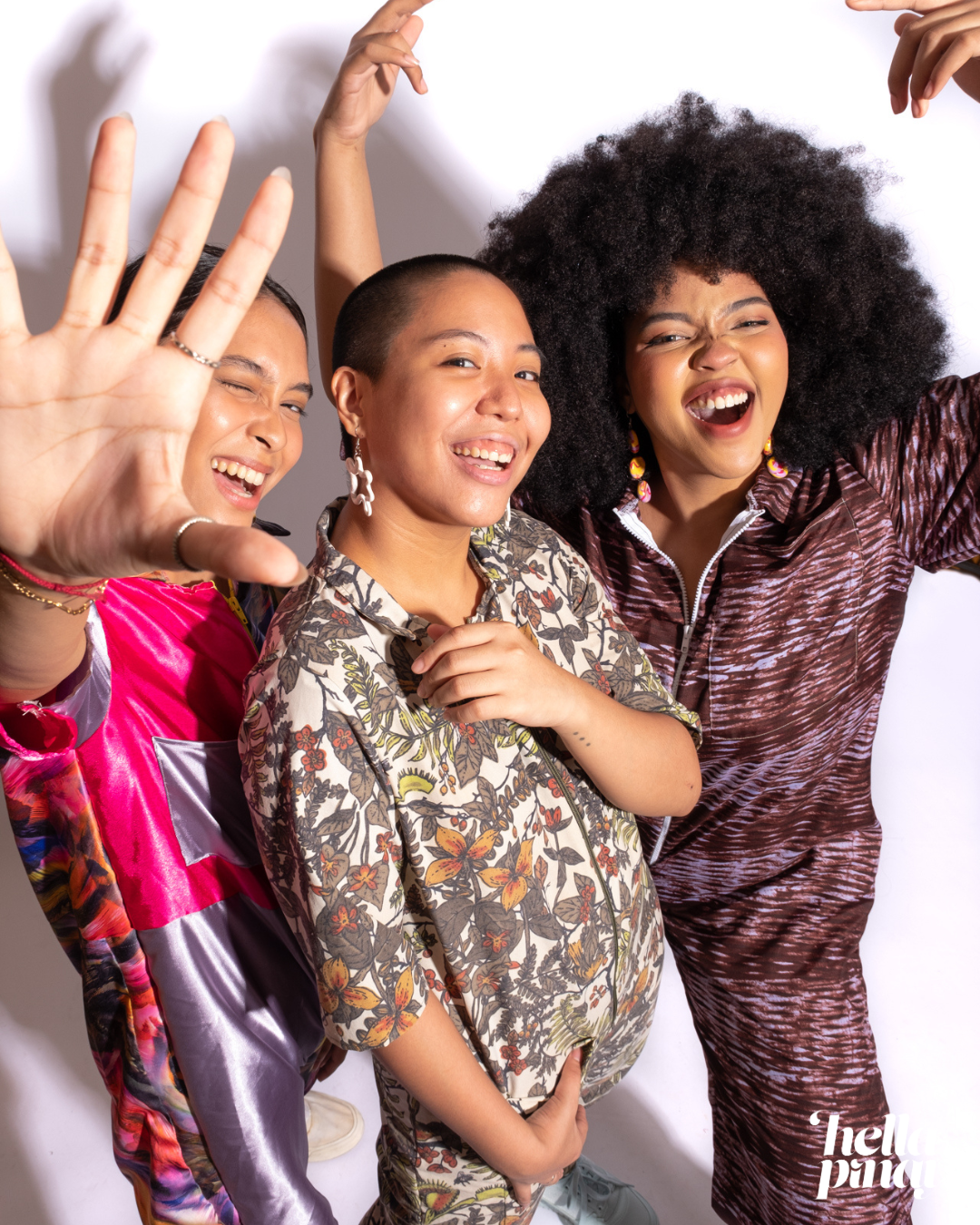
Photography Anton Armovit of Sprezzatura Studio. Models Rio Estuar, Talia Armovit, Jeska Sta. Teresa. Photo courtesy of RIOtaso.
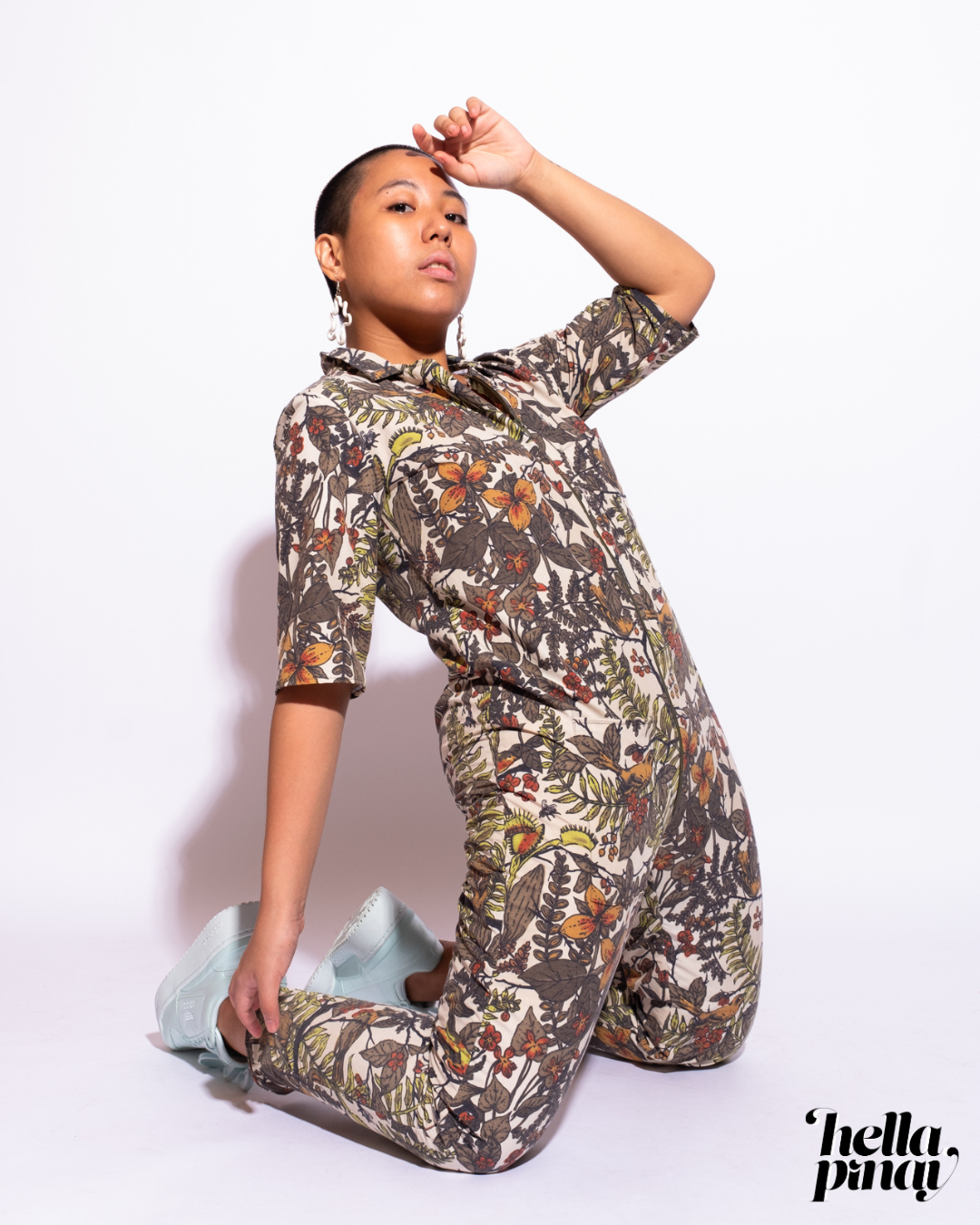
Photography Anton Armovit of Sprezzatura Studio. Model Rio Estuar. Photo courtesy of RIOtaso.
What are some misconceptions about sustainable fashion?
Rio Estuar: That sustainable fashion is too expensive. You have to respect the why and how of sustainable pricing because fast fashion brainwashed us. Also people shame others for not wearing sustainable fashion even though it’s not supposed to be an issue. A closet where you reuse everything and don't buy anything new versus a closet filled with sustainable options from new brands are equally sustainable. If anything, the former is more sustainable!
How can you persuade Filipinos to try sustainable fashion?
Rio Estuar: At the end of the day, if you want people to understand you have to be transparent with how you do things so they know what they're paying for. In my webinars, I tell them that you have the buying power, so you can ask questions about what you're buying or how things are produced. You're the one who is spending money, so don't be afraid to ask. People here are shy to ask, so therefore they assume.
What is one thing you want people to know about sustainable fashion?
Rio Estuar: I always end my webinars with: don't be afraid to be an outfit repeater. Also, shop consciously, whether it's slow or fast fashion. At the end of the day, if you take care of your clothes and shop consciously, you're doing great.
What are your future goals for your brand?
Rio Estuar: A creative space where we can all grow together and educate others. Hopefully, hire more people and take them away from the factories, educate people about sustainable fashion, and provide more affordable and ethical sustainable options.
From Hella Pinay Issue 02: Interconnected - Fall/Winter 2021.


Growing up Pinay, self-love and acceptance are ever growing and transforming